

Railroad Lawsuits - Aplastic Anemia and Glyphosate
Aplastic anemia is a disease that affects bone marrow and blood. Veterans who were in Camp Lejeune, and were diagnosed with this condition, may be eligible for healthcare and disability benefits through the Department of Veterans Affairs.
FELA can also offer compensation to those who have developed an aplastic erythema as a result of exposure to toxic substances in the base. A railroad injury lawyer could analyze your case and ensure that you receive the compensation you are entitled to.
Benzene
Benzene is a chemical compound that is used in a variety of industrial products, such as gasoline and diesel fuel. It is also used in cleaning supplies such as disinfectants and degreasers. Railroad workers who make use of these kinds of products, like yard workers and locomotive machinists might be exposed benzene on a regular basis. According to the Agency for Toxic Substances & Disease Registry chronic exposure to large doses of benzene can cause aplastic anemia.
This kind of anemia is characterized by several indicators, including a low count of white blood cells, which makes fighting infections difficult. Low platelet counts can also result in excessive bleeding or bruises. Aplastic anemia can also affect fertility in women by causing irregular menstrual cycles or shrinking of the ovaries.
Long-term exposure to benzene can also increase the risk of developing lymphoma which is a form of cancer that occurs when cancerous lymphocytes found in the blood multiply and enlarge healthy cells. Studies have connected benzene to non-Hodgkin's lymphoma, which is the most commonly-spread form of the cancer. Railroad workers who suffer from one of these types of cancers could be eligible for compensation through a lawsuit. For more information, please fill out the form below and an attorney from Top Class Actions will contact you to determine whether you are a good candidate for a lawsuit against a railroad worker for cancer.
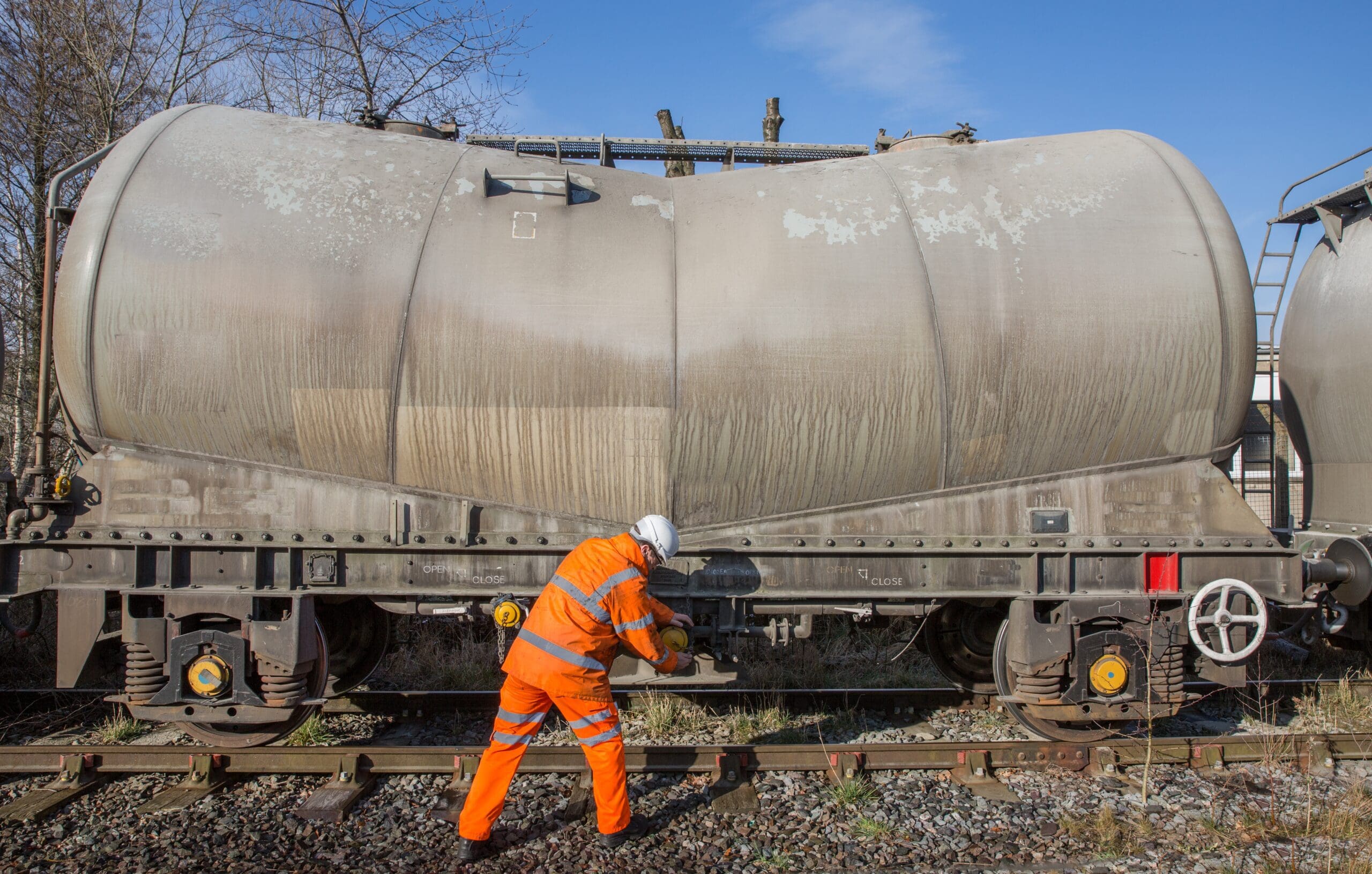
Glyphosate
Glyphosate is among the most popular and successful herbicides developed by humans. It is used to kill plants that are not genetically modified and allows for faster harvesting in areas with shorter seasons. However, it can have a negative effect on plants and animals as well as human health.
According to the U.S. Environmental Protection Agency (EPA) Glyphosate kills broad-spectrum plants. It is used to grow vegetables, fruits and a range of fields crops such as soybeans and corn. It also aids in no-till and low-till farming techniques and aids in integrated pest management.
However it has been associated with numerous health issues in adults and children. It has been proven to cause cancer in humans, and it is also associated with other diseases such as Parkinson's disease, autism, fibromyalgia, depression and Alzheimer's disease. It is believed to cause non Hodgkin lymphoma.
Glyphosate binds to the protein EPSPS found in fungi, plants and a few bacteria, preventing it from functioning effectively. This inhibits shikimate-3-phosphate formation and syphons carbon and phosphate away from the plant. This causes disruption in cellular metabolism and can lead to cell death. This is why it is linked to aplastic anemia in humans. Railroad employees who have been exposed to benzene as well as glyphosate are at risk for developing aplastic angiopathy or other chronic illnesses. Under the Federal Employer's Liability Act (FELA) railroad employees who have developed aplastic anemia as well as other cancers as a result of exposure to chemicals while on the job are eligible for compensation.
Camp Lejeune Water Contamination
In the late 1970s, toxins were released into water wells that served both homes and work sites at Camp Lejeune. The water was contaminated by vinyl chloride and trichloroethylene. As time passed, the tainted wells resulted in a variety of ailments that included aplastic anemia. The condition strips the body of healthy blood cells, making the patient more tired and more prone to infections. railroad workers cancer lawsuit 's a life-altering illness that could force people into changing their lifestyles and can lead to premature death.
A lawsuit is the most effective option for aplastic anemia patient to receive compensation. Compensation could cover future and past medical expenses loss of income, pain and discomfort, and other damages. An attorney can help victims to understand the benefits of their claim, and build a strong case that shows how aplasticanemia has changed their lives.
Consult an experienced attorney for advice if you were on the Marine Corps Base of North Carolina between August 1, 53 and December 31, 1987, or in the event that a loved one passed away because of aplastic aemia resulting due to water contamination. The Camp Lejeune Justice Act of 2020 eliminated obstacles that prevented victims from seeking compensation. It is possible to file a lawsuit before the statute of limitation expires. An attorney can review military and medical documents to determine if you or a loved one is eligible to seek an amount of restitution.
Lymphoma
Lymphoma, which is a cancerous growth of the lymphatic system, causes white blood cells to expand uncontrollably. A variety of factors could cause the disease, including exposure to carcinogenic chemicals in the workplace. Railroad workers may have been exposed to benzene or other harmful chemicals when working in a store or on a train or around it. Recent studies have linked glyphosate, an ingredient that is commonly used in railroad right-of-way areas to kill weeds with Hodgkin's or non-Hodgkin's Lymphoma.
Treatment for lymphoma differs depending on the type and extent of the disease. In mild cases, doctors check the disease and provide treatment. In severe instances blood transfusions are necessary to increase the number of healthy red cells in the body. Stem cell transplants are also able to aid patients in regaining healthy blood cells. Patients can undergo an autologous transplant, using their own stem cells or an allogeneic transplant that uses cells donated by a healthy blood relative.
Certain autoimmune diseases such as celiac disease or rheumatoid arthritis can increase the chance of developing lymphoma. Other risk factors include age exposure to radiation or chemotherapy, as well as infection with certain viruses such as HIV or Hepatitis C. People who work with toxic substances at work could be more susceptible to developing this deadly illness, and a knowledgeable railroad accident lawyer could evaluate their case to determine whether they have a legitimate claim for compensation.